






Formaldehyde-free glass wool insulation
[edit] Insulation material shifts
In the realm of insulation materials, a notable shift towards sustainability and health-conscious choices has emerged. One significant advancement in this arena is the development and adoption of formaldehyde-free glass wool insulation. This article delves into what formaldehyde-free glass wool insulation is, its benefits, and why it should be your top choice for a healthier and eco-friendly living environment.
Formaldehyde, a chemical commonly used in insulation materials, has raised concerns due to its potential health risks. Formaldehyde-free glass wool insulation, on the other hand, is produced without this harmful chemical. This means that it doesn't emit toxic fumes into your indoor air, promoting a safer and healthier living environment.
[edit] Benefits of formaldehyde-free glass wool insulation
- Improved Indoor Air Quality: By choosing formaldehyde-free glass wool insulation, you can breathe easier. This insulation type ensures that your home remains free from harmful volatile organic compounds (VOCs) that formaldehyde can release.
- Sustainability: Formaldehyde-free glass wool insulation is made from recycled glass, making it an eco-friendly choice. The insulation contributes to reducing landfill waste and conserving natural resources.
- Energy Efficiency: Glass wool insulation, whether formaldehyde-free or not, is known for its exceptional thermal performance. It helps maintain consistent indoor temperatures, reducing the need for excessive heating or cooling, which, in turn, saves energy and lowers utility bills.
- Easy Installation: This type of insulation is easy to work with, making it a favourite among contractors. Its flexibility allows it to fit into various spaces and contours, ensuring a snug fit for optimal insulation performance.
- Durability: Formaldehyde-free glass wool insulation is resistant to moisture and mold growth, contributing to the longevity and structural integrity of your home.
By choosing formaldehyde-free glass wool insulation, you're not only safeguarding your family's health but also making a positive contribution to the environment. It's a win-win choice for homeowners who prioritise sustainability and well-being.
[edit] Related articles on Designing Buildings
- Adhesives.
- Air quality hub.
- BR 135 Fire Performance of external thermal insulation for walls of multi-storey buildings.
- BREEAM Indoor pollutants VOCs.
- Building regulations.
- Cavity wall insulation.
- Celotex RS5000 PIR insulation.
- Control of Substances Hazardous to Health..
- Deleterious materials in construction.
- External wall insulation.
- Floor insulation.
- Hazardous substances.
- Insulating concrete form.
- Insulation envelope.
- Insulation for ground floors.
- Specifying insulation for inverted roofs.
- Thermal insulation for buildings.
- Types of insulation.
- Volatile organic compounds VOC.
- Wall insulation and moisture risk.
- Wood and insulation.
Featured articles
Check out some of the best features and news from Designing Buildings as well as key stories from around the web.

Why construction can't afford to ignore the skills gap.
Building Safety Regulator, 19 August

Gill Kernick appointed Independent Chair of Residents’ Panel.
Connecting knowledge, technology and conservation
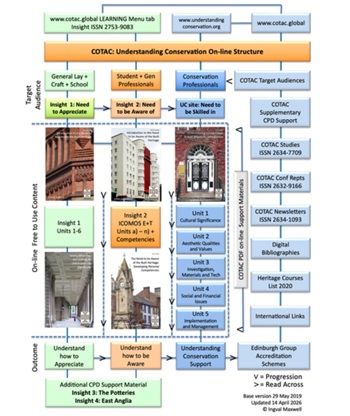
Building competence for the future of built heritage.
Building Regulations and Building Safety Act
CIOB publishes free advice for non-domestic clients.

Building Safety Newsletter from MHCLG.
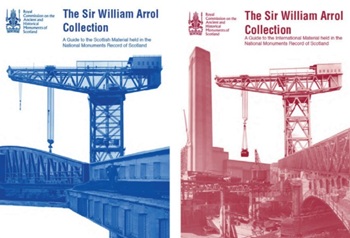
An extraordinary record of steel engineering worldwide.

Households living near new pylons to save on bills.

ECA warns growth must not outpace grid capacity or skills.
The role of the client and decision making

CIOB response to built environment professions call for evidence.
Construction's sustainability reporting revolution
Tracking upfront embodied carbon with digital tools.
ECA welcomes procurement reforms
Public spending must back British jobs and skills.
Campaigning for Edinburgh: the Cockburn Association 1875-2049
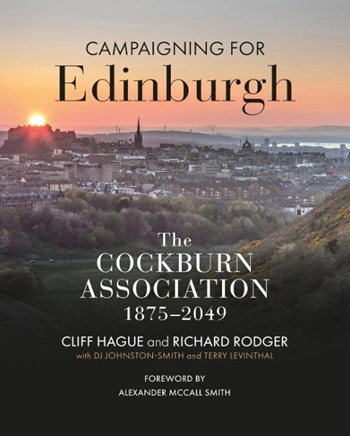
The role of the civic voice in protecting character. Book review.